

Hello everyone. This is Miki.
When watching professional sports in the US, it is clear that not only the competition itself, but also the time before and after the game and how one spends time at the stadium are all crafted into one large “spectator experience.”
In the previous article, I discussed how the value of sports is not limited to the game itself, but extends to the stadium, surrounding facilities, and even urban development.
This time, I would like to narrow the scope to “game day” and talk about the theme, “How do US professional sports maximize revenue and spectator value on game day?”
Of course, various efforts are being made in sports in Japan and Europe as well, but among them, when looking at US professional sports, I feel that the perspective of “how to provide a better experience for those who come to the stadium” and “how to turn that experience into business revenue” are designed in quite great detail.
This time, we will look at it from three main points.
I am also talking about this on the Podcast👇
1. Having people enjoy “the whole day,” not just the game
The first point is to lengthen the time people who come to watch the game spend at the stadium and its surroundings.
When watching sports in the US, there are many cases where it is not just about “going to the venue according to the game start time and going home when the game is over.”
People gather long before the game starts, and around the venue, there are
and various other plans are prepared.
Also, what is famous in US sports spectating is “tailgating.” Especially in the NFL, there is a culture of having BBQs in the parking lot before the game and interacting with other fans.
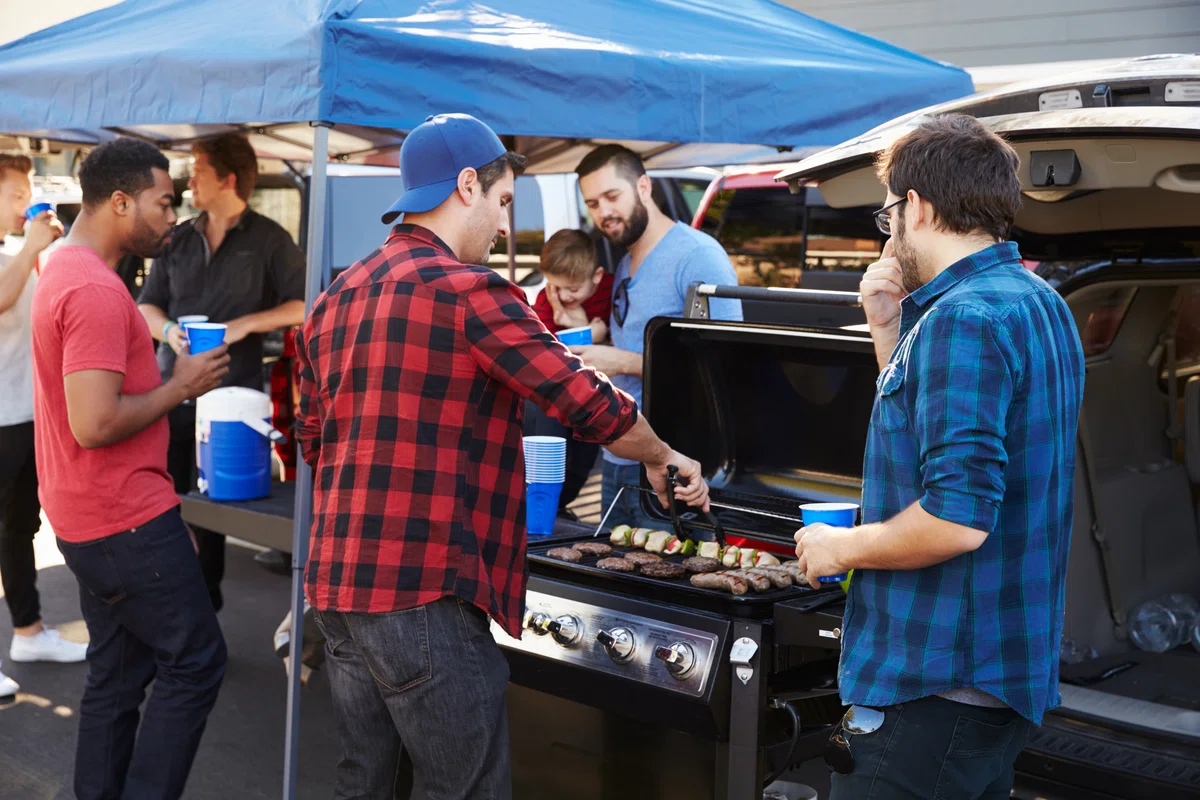
Tailgating itself is a culture that grew among fans rather than a business created by the team. However, the fact that there is already a culture of people gathering around the venue hours before the game has great significance for teams and sponsors.
By combining events, food and drink, and merchandise sales there, the time customers spend around the venue becomes even longer.
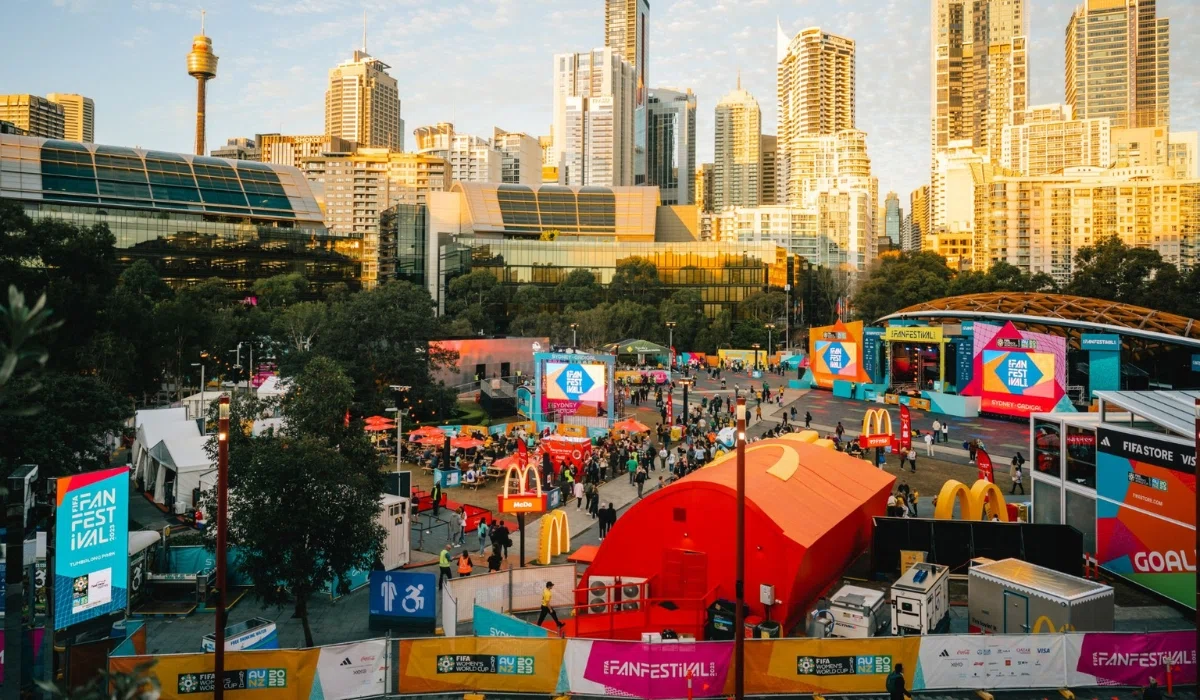
The longer the stay, the more opportunities there are to eat, shop, or participate in sponsor activities during that time.
In other words, instead of thinking of just the few hours of the game as the product, think of the ‘entire day’s experience’ as the product.
I believe this is one major characteristic when considering game days in American sports.
② Selling the same game as multiple ‘products’
The second point is that there are many options available to increase the average spend per customer.
Hospitality options like VIP seats and suites are particularly easy to understand.
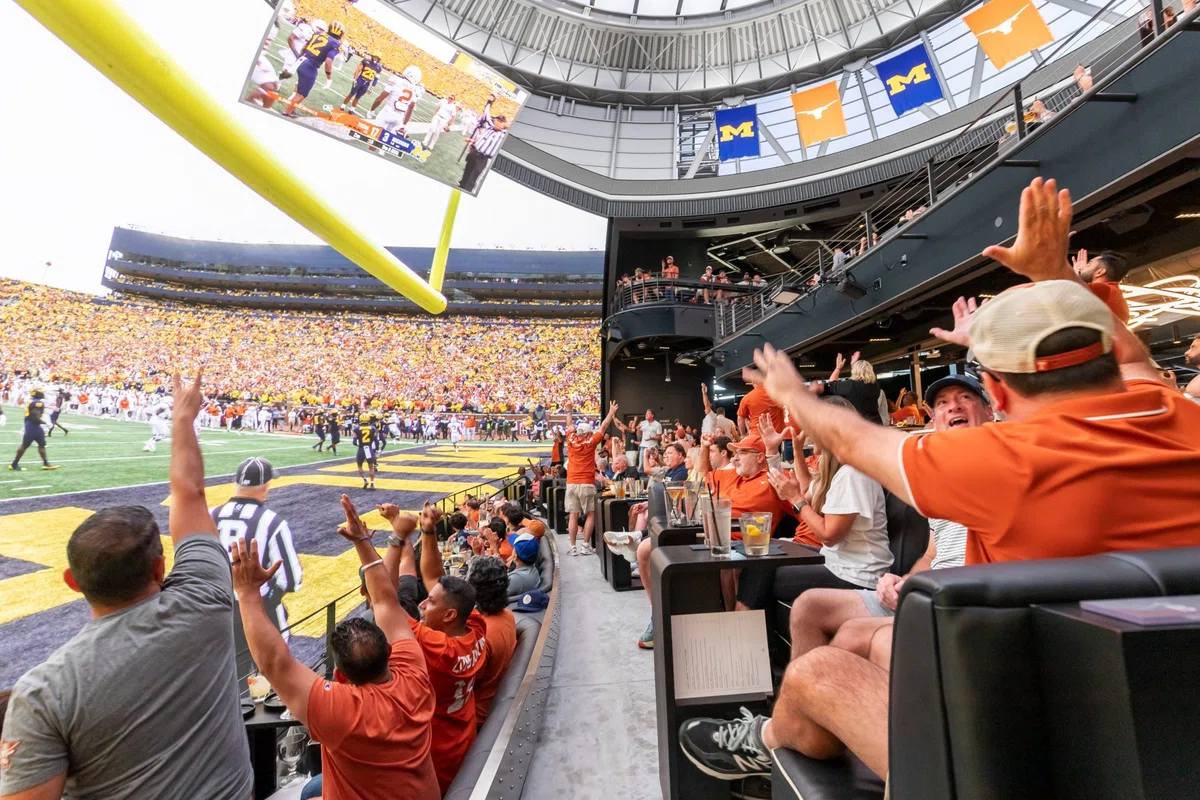
While Japan and Europe also have VIP seats and hospitality, looking at large American stadiums, seating categories are divided very finely.
Example:
• Club seats, which are the next most expensive after general seating
• Seats with access to exclusive lounges
• Boxes for small groups
• Even larger suites
• Premium seats close to the field
Instead of a binary choice between ‘general seating or VIP seating,’ multiple levels of different products are prepared for the same game.
And what differs is not just the seat location; it is designed as a single product that includes ‘seating + space + food and drink + service + access’, such as lounge access, included meals and drinks, and dedicated parking.
Furthermore, when it comes to suites, corporate demand also grows.
Companies may invite business partners or utilize sports viewing as an event for employees.
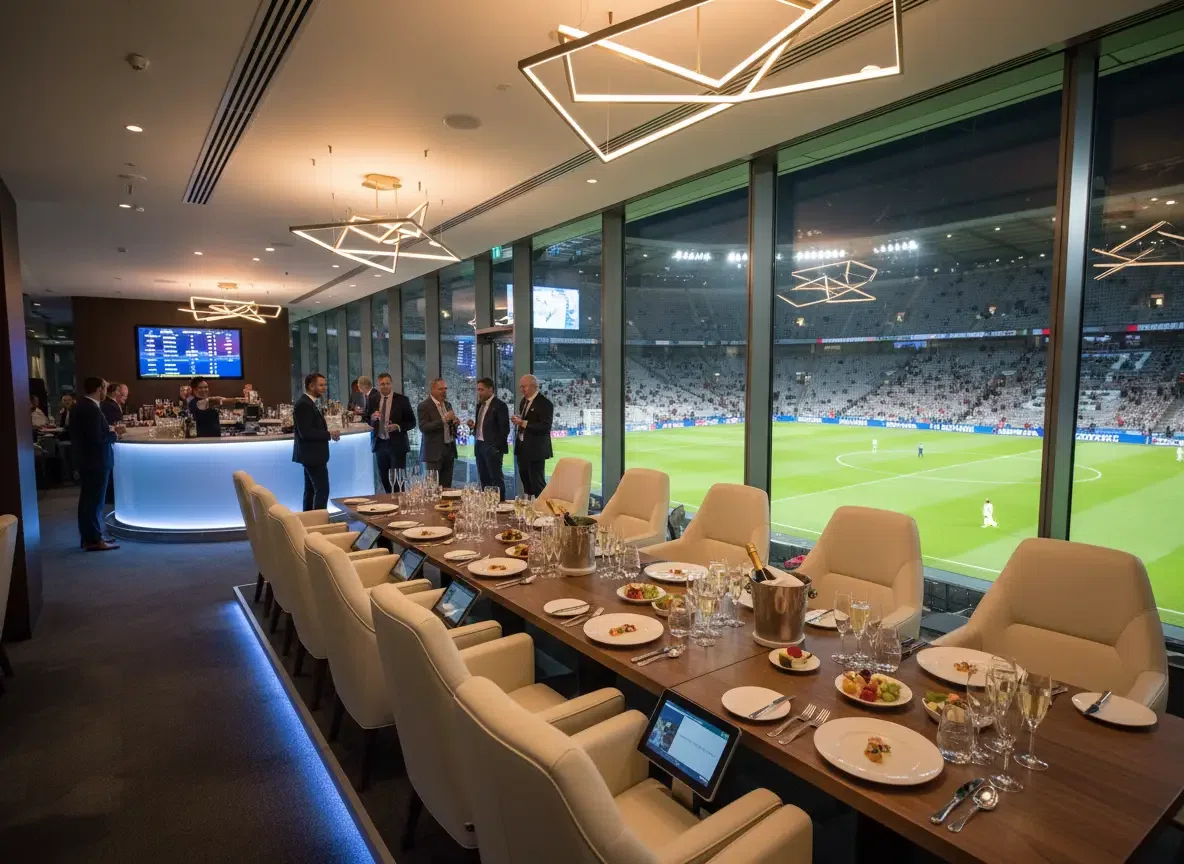
When that happens, from the team’s perspective, a completely different market is created compared to simply selling seats one by one to individuals.
• People who want to watch as affordably as possible
• People who want to watch comfortably even if it costs a bit more
• People who want a special experience
• Companies that want to use it as a business venue
Being able to prepare different price points and different experiences to match each purpose and need is a very important point in increasing game-day revenue.
③ Optimizing ticket value
The third point is how to maximize the value of tickets and the seats themselves.
One of the representative mechanisms for this is dynamic pricing.
‘Dynamic pricing’ refers to a system where prices are changed based on demand rather than selling every game at the same price.
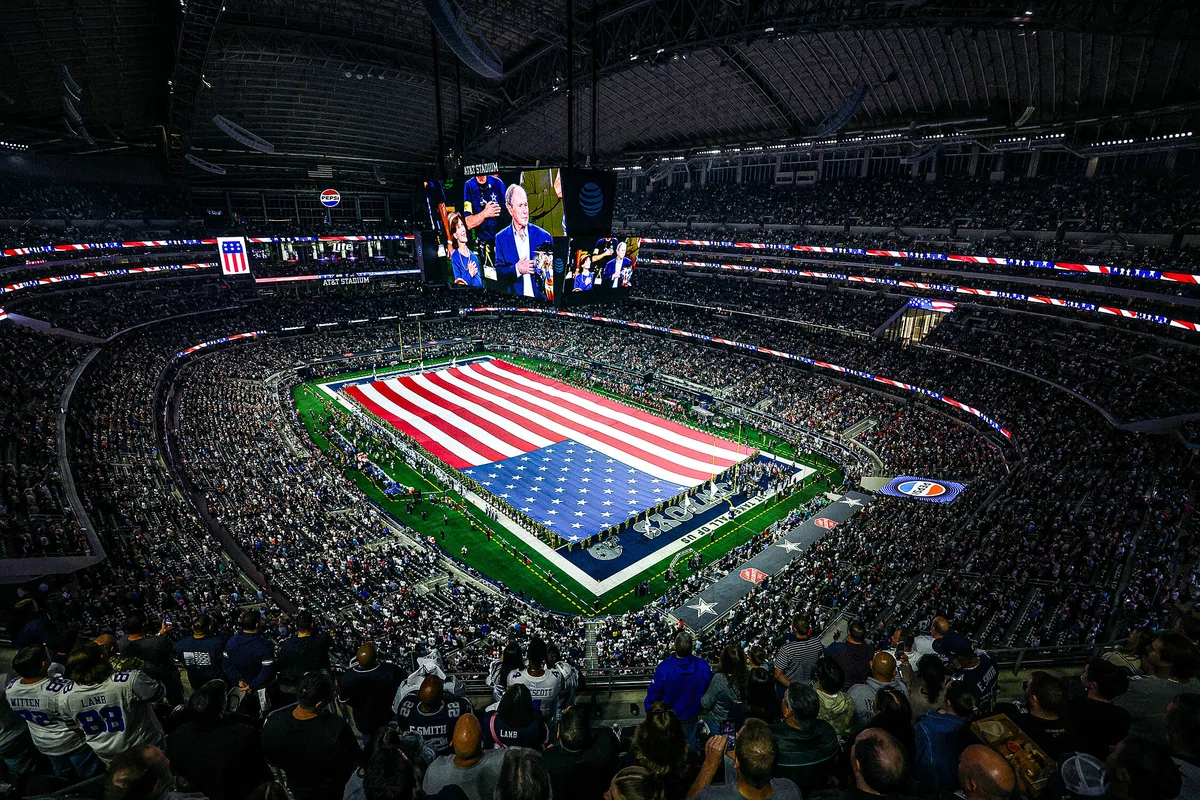
It is not a mechanism unique to the US, as it has recently been introduced in Japan as well, but prices are adjusted based on factors such as:
• Whether it is a popular matchup
• Whether it is a weekday or weekend
• How many tickets have been sold
While this is a familiar concept for airline tickets and hotels, in sports, too, prices are raised for high-demand games and lowered when demand is weak.
By doing so, you can capture the value of popular games while reducing empty seats for games with lower demand.
PSL: Selling the right to buy season tickets
And, as a mechanism that is particularly characteristic of the US, I would like to introduce the “PSL (Personal Seat License)”.
Simply put, this is a mechanism for purchasing the right to purchase season tickets for a specific seat.
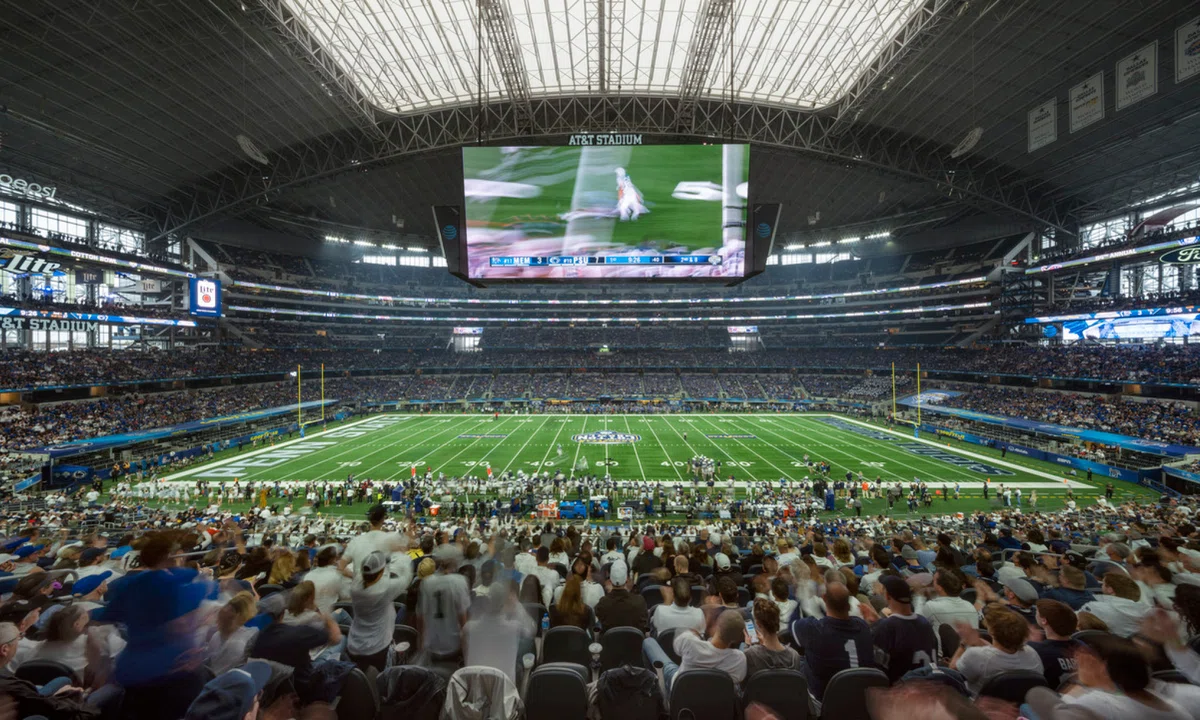
Usually, you buy a ticket to watch a game.
If you support that team every year, you buy a season ticket.
A PSL refers to placing value on the “right to continuously purchase season tickets for this seat” even before that.
It is based on the idea of turning the right to continuously secure a seat into a product to meet the needs of fans who want to support the team from that location every year.
Such seat rights are sometimes used to raise funds when building a new stadium.
For the team, this means not only earning revenue after the stadium is completed and games are held, but also recouping the value of the seats that will be generated in that stadium in the future in advance.
Although this concept is not yet familiar in Japan, it can be said to be a very American mechanism in the sense of “how finely one captures the value of seats and tickets as a business.”
Increasing revenue and improving the spectator experience
To summarize the American game-day initiatives we have looked at so far, there are three main points.
① Have people who come to watch the game stay as long as possible
② Commercialize the spectator experience in detail to suit each individual
③ Maximize the value of tickets and seats themselves
Rather than simply thinking about “how to get more money from the audience,” the perspective of “how to provide a better spectator experience” is important.
If you set a high price, you need to provide the customer with a better seat, a more comfortable space, and better food and service in return, ensuring they are satisfied that it was “worth the money paid.”
The characteristic of the American sports business is that a model is established that maximizes both “increasing revenue” and “improving the spectator experience,” creating a virtuous cycle.
What can be done on non-game days?
This time, I have focused on “game days = matchdays.”
However, when considering sports facilities as a business, the perspective of “How do we use the stadium on days when there are no games?” also becomes important.
For example, in the case of the NFL, there are only about 8 to 9 home games per year in the regular season.
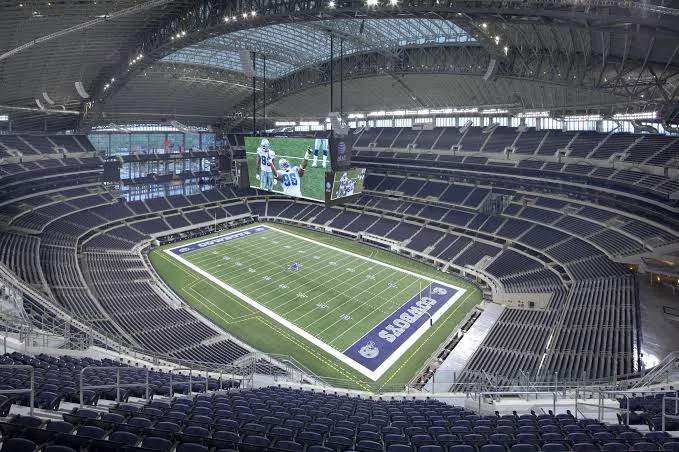
Even if you build a luxurious and massive stadium, if you only think about the home team’s games, the days it is actually used are only a small fraction of the year.
So, what happens on the remaining days? Next time, I would like to take up the theme of “How are massive stadiums utilized on days without games?” and delve deeper into it.
I will continue to introduce American sports culture and sports business. If you are interested, I would be very happy if you could follow me.
Miki’s Profile
Born in Hyogo Prefecture, currently living in Dallas, Texas, USA. Moved to the US after graduating from high school and majored in Exercise Physiology and Psychology at the University of North Texas. After returning to Japan, gained experience in corporate sales at a Japanese sports manufacturer, then obtained a Football Industries MBA at the University of Liverpool in the UK. Currently, while running a soccer school for children in Dallas, I share information about American sports culture and sports business. I also coordinate visits and inspections of sports facilities in Dallas and provide local attendance.
