


The Boston Globe
On Wendell Street near Harvard Square — one of the most sought-after neighborhoods in the United States — an apartment was listed for rent this month that was sure to attract a swarm of interested renters.
It was a two-bedroom bathed in natural light, with a galley kitchen and plenty of counter space. And the rent? Just $3,200 a month, utilities included. Not bad, given the neighborhood.
But buried near the bottom of the Craigslist listing was one inconvenient detail: a $1,600 broker fee.
Such a fee can be jarring for prospective tenants in Boston’s high-dollar housing market, especially after state lawmakers last year declared victory over the only-in-Massachusetts practice of charging substantial broker fees to rent an apartment. Last July, when Governor Maura Healey signed a law requiring the fee be paid by whoever first works with the broker — be it landlord or tenant — she called it an outright “ban” on the long-detested system.
But nearly a year later, it’s apartment hunting season again, and broker fees haven’t gone away.
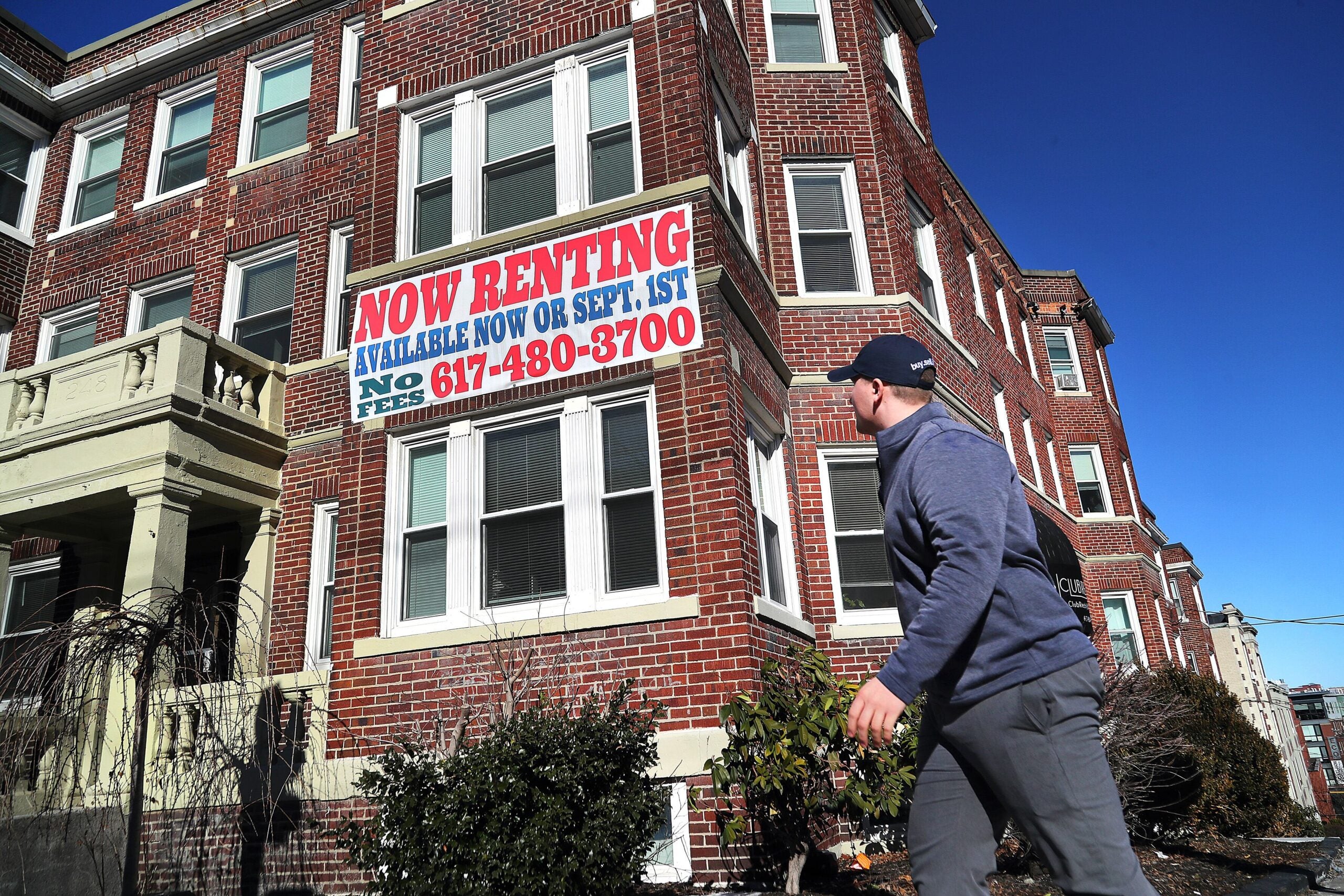
The Globe identified dozens of listings on rental sites like Zillow, Apartments.com, and Craigslist — where many apartment rentals in the region change hands — that include a tenant-paid broker fee, often equivalent to one month of rent.
And tenants have reported being told to pay broker fees during their apartment searches, sometimes only learning of the fee upon touring a place. To many, it’s the same lopsided calculation that afflicted renters before last year’s law: Pay up, or lose the apartment.
“Two years ago, it was frustrating to have to shell out $5,000 to a broker who didn’t do anything for me except post a listing,” said Jack Perry, a Boston apartment-hunter. “It is even more frustrating to be asked to pay that same fee when it is supposed to be illegal.”
Some brokers, when asked by the Globe about fees included on their rental listings, promptly deleted the postings. Others admitted to charging the fees, but only on so-called open listings, or rental listings that landlords circulate to a network of brokers to avoid signing an exclusive agreement with any one agent. In turn, the broker charges the fee to the tenant because, as Romeo Zeqo with Best Boston Realty in Somerville put it: “We don’t work for free.”
“It has been a nightmare trying to explain how [the law] works,” said Zeqo, who still charges broker fees on some open listings. “At the end of the day, these people either don’t have an apartment or they pay the fee.”
For years, charging broker fees to tenants has been the status quo in and around Boston, contributing to upfront move-in costs that regularly eclipse five figures.
Those fees began before the rise of online listing services, when brokers helped renters navigate a confusing and opaque market. Sites like Apartments.com and Zillow have simplified the process for tenants, and these days, brokers often work mostly for landlords, advertising apartments and screening prospective tenants. Given the intense demand for housing, landlords have leverage to push the fee for a broker’s services onto renters, who must interact with that broker when they inquire about a listing.
So it was a relief to many when the Legislature passed the bill that was supposed to reform the broker fee system. Under the new rules, the only time a tenant would be on the hook for the fee is if they enlist a broker to find them an apartment, lawmakers and Healey said at the time.
It has not worked out that way.
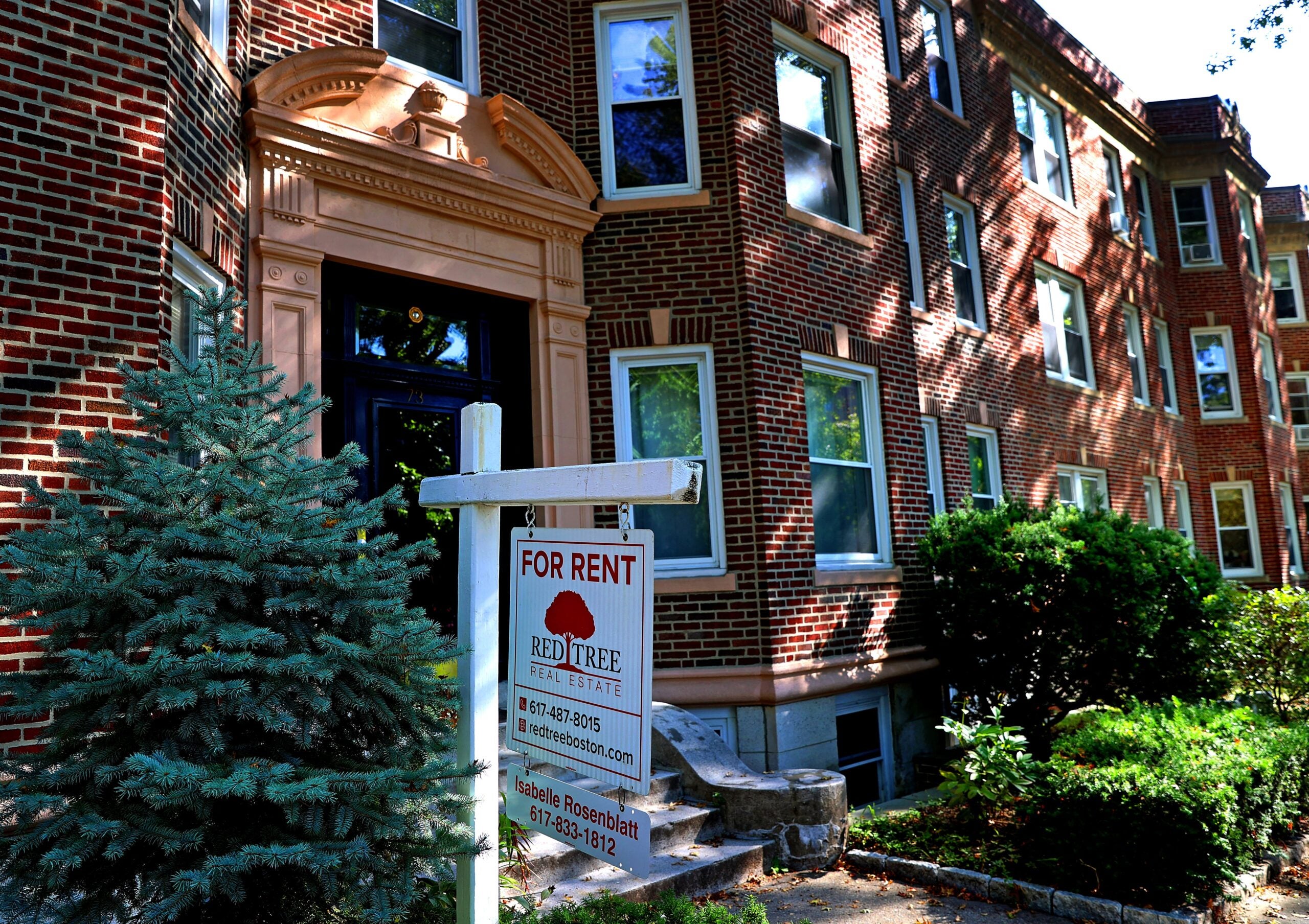
Take the apartment on Wendell Street near Harvard Square, with a $1,600 “half fee” advertised in the listing. The apartment’s broker, Brandon Keane of Brookline-based Red Tree Real Estate, includes broker fees on many of his listings despite the new law. He did not return repeated requests for comment.
To Mark Martinez, a housing attorney at the Massachusetts Law Reform Institute, part of the problem is that the law did nothing to change the forces that allow landlords to make tenants pay broker fees to begin with.
“Tenants don’t have leverage,” he said. “Everyone is nervous about not being able to find an apartment because there is so much competition. Landlords are taking advantage of that dynamic, because they know that if one tenant isn’t willing to pay an illegal fee, there’s going to be another who will.”
The law also has gray areas, or so some brokers say.
Some listing agents operate in the free-for-all of the open listings, the rentals they pull from the Multiple Listing Service or from landlords who circulate their apartments widely but never contract with any particular broker. Without an exclusive agreement with a landlord, some brokers contend they’re free to charge tenants who inquire about the apartments.
That is part of Zeqo’s approach. Since the new law took effect, he only charges the tenant on open listings. For instance, a listing he posted on Warren Avenue in Somerville included a $2,500 broker fee. But there’s a fine line, he said. If he knows the landlord and receives a listing from them, he won’t charge the tenant, he said, because the existing relationship could be interpreted as working on the landlord’s behalf.
That gray area, though, has left many tenants frustrated.
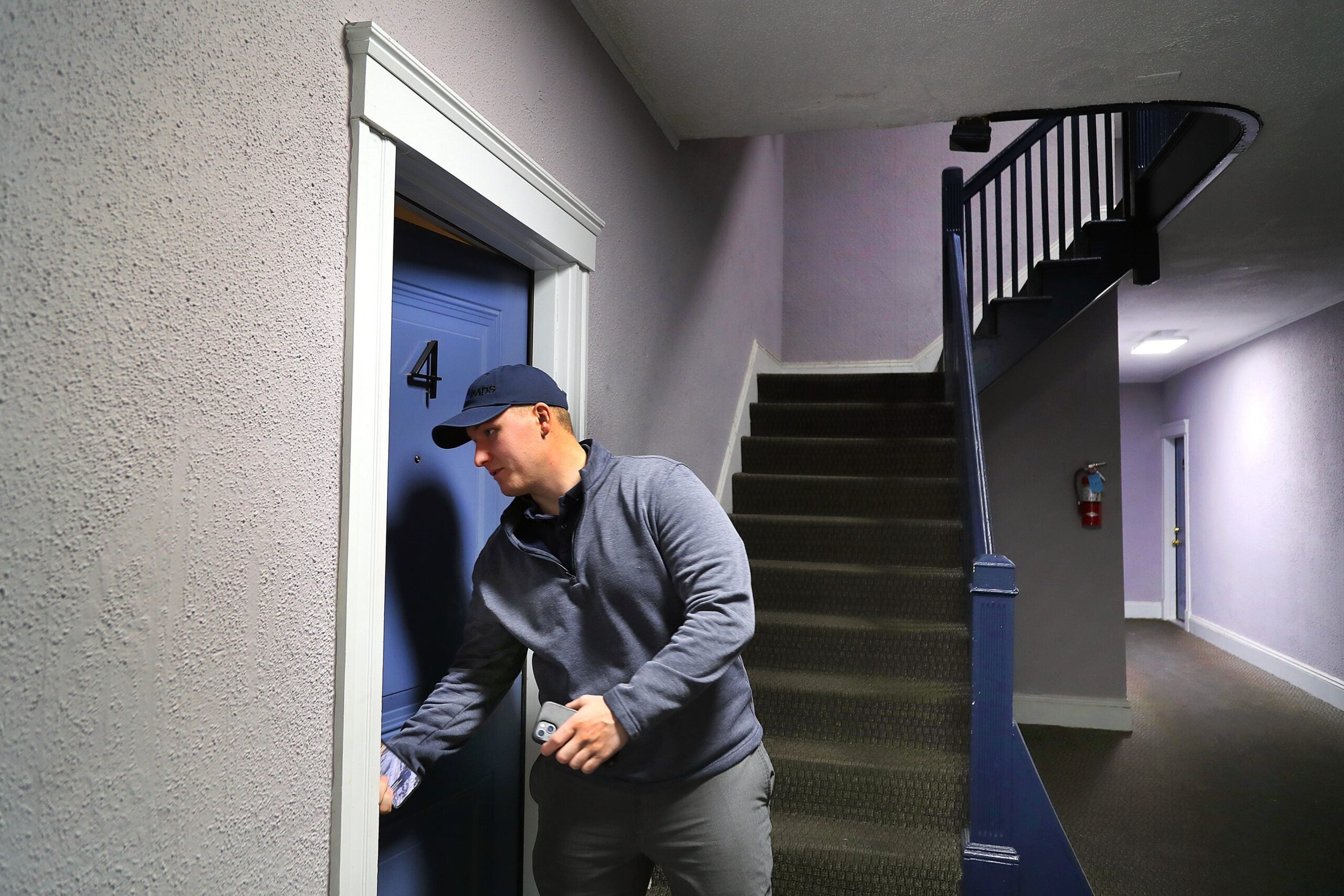
When Rob and his wife discovered that the “perfect” refurbished Kendall Square apartment they had just discovered would come with a broker fee, they felt trapped. Rob — who did not want to use his last name for fear of retribution from their soon-to-be landlord — had found the listing online, with no help from a broker. When they tried to negotiate, the broker who advertised the place said it was an open listing, the brokerage didn’t work for the landlord, and she wouldn’t budge on the fee.
The couple ended up forking over the $4,000-plus fee, but have plans to file a complaint with the attorney general’s office.
“It’s a bully system,” Rob said. “They were like, ‘You guys have the money, so if you don’t pay for it, someone else will.’ ”
Another problem, said Doug Quattrochi, executive director of the advocacy group MassLandlords, is that the state has not dedicated enough resources to enforcement.
“It’s one thing to pass a law and say, ‘This is illegal now,’ ” said Quattrochi. “But if you don’t put any resources behind actually cracking down on the people who are doing this, the whole thing is [expletive].”
A public records request to Attorney General Andrea Campbell’s office turned up a litany of consumer complaints related to broker fees. Her office is often able to secure refunds or have landlords waive fees without pursuing formal enforcement action.
Campbell’s office has previously said that tenants can only be charged a broker fee if they hire the broker directly.
Demetrios Salpoglou, CEO of the real estate technology and listing site BostonPads, said the implementation of the law has been “a huge headache.” Many landlords, he said, are unhappy when his agents call and explain that they must pay the broker fee now instead of the tenant, and many raise their rents as a result or choose to list their properties themselves to avoid the fee.
Some listing agents are choosing a more cautious approach.
Craig Scanzio, a property manager at Benoit Real Estate Group in Somerville, immediately took down an East Somerville listing under his name that included a broker fee when contacted by a Globe reporter. The information in the listing had been copied from a previous year, he said, and mistakenly included the fee.
“We’re being very careful,” he said. “It’s the owners who are paying our fees now.”
And while it is great that some brokers like Scanzio are no longer charging tenants when they work for landlords, said Martinez, the point of the law was to do away with that practice entirely.
“Charging tenants a fee for the privilege of being able to pay rent instead of charging landlords a fee for the privilege of being able to collect rent is really lopsided,” he said. “And I think brokers know that and should do the right thing.”
